Login


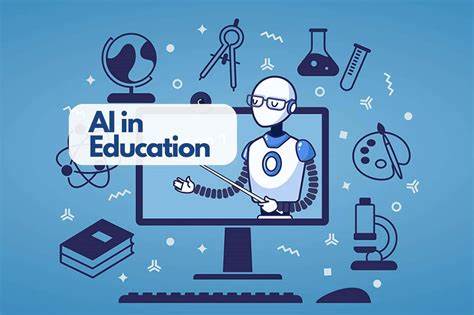
Artificial Intelligence (AI) is transforming various sectors, and education is no exception. The integration of AI into classrooms has the potential to revolutionize how we learn and teach. Let’s explore the benefits and challenges of AI in education.
Benefits of AI in Education
Personalized Learning:
- AI can tailor educational experiences to individual student needs. By analyzing students’ strengths and weaknesses, AI-powered tools can create customized learning plans, ensuring that each student progresses at their own pace.
- 24/7 Access to Learning: AI enables students to access educational resources anytime and anywhere. Online courses, virtual tutors, and interactive learning platforms provide round-the-clock support, making learning more flexible and accessible.
- Efficient Administrative Tasks: AI can automate administrative tasks such as grading, scheduling, and student performance tracking. This allows teachers to focus more on instruction and student interaction, enhancing the overall learning experience.
- Enhanced Engagement: AI-powered educational games and interactive tools can make learning more engaging and fun. These tools can adapt to students’ interests and learning styles, keeping them motivated and involved in their studies.
- Data-Driven Insights: AI can analyze vast amounts of educational data to provide insights into student performance, curriculum effectiveness, and learning outcomes. These insights can help educators make informed decisions and improve teaching strategies.
Challenges of AI in Education
1. Privacy Concerns: The use of AI in education involves collecting and analyzing student data. Ensuring the privacy and security of this data is crucial to prevent misuse and protect students’ personal information.
2.Equity and Access: Not all students have equal access to technology and AI-powered resources. Bridging the digital divide is essential to ensure that AI benefits all students, regardless of their socio-economic background.
3. Dependence on Technology: Over-reliance on AI and technology can reduce face-to-face interactions and the development of social skills. It’s important to balance AI use with traditional teaching methods to maintain a well-rounded educational experience.
4. Bias in AI Algorithms: AI systems are only as good as the data they are trained on. If the data contains biases, the AI can perpetuate and even amplify these biases. Ensuring that AI algorithms are fair and unbiased is critical for equitable education.
5. Teacher Training: Integrating AI into education requires teachers to be trained in using AI tools effectively. Continuous professional development is necessary to help educators keep up with technological advancements and integrate them into their teaching practices.
Conclusion
AI holds great promise for enhancing education by providing personalized learning experiences, increasing accessibility, and improving administrative efficiency. However, it also presents challenges such as privacy concerns, equity issues, and the need for unbiased algorithms. As we embrace AI in education, it’s crucial to address these challenges and ensure that AI is used responsibly and ethically to benefit all students.
By leveraging the power of AI while being mindful of its potential drawbacks, we can create a more dynamic, inclusive, and effective educational environment for the future.
 English
 Afrikaans